Watercolor Fashion, Cosmetic Clipart
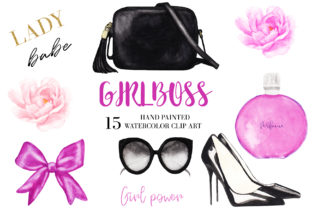
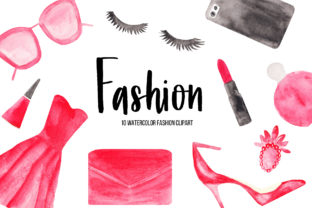
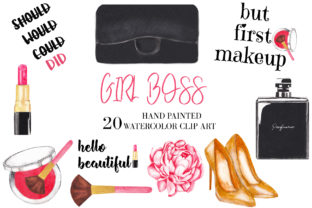
Watercolor Fashion, Cosmetic Clipart is a versatile graphic design asset that brings a soft, artistic touch to marketing and branding efforts. As a brand designer and content marketer, I’ve tested this illustration set in various real-world scenarios, from social media campaigns to digital product packaging. Its watercolor aesthetic offers a unique blend of elegance and approachability, making it ideal for brands targeting creative, lifestyle, or beauty-focused audiences.
The First Impression: Soft, Elegant, and Visually Engaging
Upon first glance, Watercolor Fashion, Cosmetic Clipart evokes a sense of calm and creativity. The gentle brushstrokes and muted tones create a mood that feels both modern and timeless. This makes it perfect for brands looking to convey a handmade, artisanal, or luxury feel without appearing too rigid or formal.
The emotional tone of the illustrations is warm and inviting, which can help build an immediate connection with the audience. Whether used in a seasonal promotion or a product launch, the visuals feel like they belong in a curated space rather than a generic marketing campaign.
How It Performs in Real Marketing Scenarios
Watercolor Fashion, Cosmetic Clipart excels in situations where visual storytelling matters. For example, when designing social media graphics for a new skincare line, these illustrations add a refined yet playful element that complements the brand’s messaging. They also work well in blog headers, email banners, and Canva templates, offering a cohesive look across multiple platforms.
In packaging design, the clipart can be used as subtle accents on product labels or inserts, reinforcing the brand’s identity without overwhelming the viewer. For editorial design, these illustrations provide a fresh alternative to stock photos, adding a personal touch to articles or guides about fashion, beauty, or lifestyle topics.
Supporting Marketing Goals Through Visual Consistency
One of the key benefits of using Watercolor Fashion, Cosmetic Clipart is its ability to strengthen a brand’s visual identity. When integrated consistently across different marketing materials, it helps create a unified look that enhances recognition and trust. This is especially valuable for small business branding, where every visual element contributes to the overall perception of professionalism and quality.
The illustrations also support better product presentation. Whether used in digital ads or printable designs, they help draw attention to key elements without cluttering the layout. This improves visual hierarchy, ensuring that the message remains clear and engaging.
Where It Works Best: Creative and Lifestyle-Centric Campaigns
Watercolor Fashion, Cosmetic Clipart shines in campaigns that prioritize aesthetics over information. It’s ideal for hero graphics, campaign headers, and product launch visuals that need to capture attention while maintaining a clean, elegant feel. These illustrations also make great additions to content bundles, promotional banners, and editorial layouts, providing a cohesive design language that aligns with the brand’s voice.
For event promotions or seasonal offers, the clipart adds a decorative yet professional touch. It can be used in social media covers, posters, and merchandise, offering a flexible solution for brands that want to maintain a consistent look across multiple channels.
Where to Use It Carefully: Formal and Text-Heavy Contexts
While Watercolor Fashion, Cosmetic Clipart is highly adaptable, it may not be the best choice for all marketing situations. In formal corporate branding, the softness of the watercolor style could clash with a more structured or minimalist brand identity. Similarly, in dense information layouts or small mobile graphics, the details might become lost or distracting.
For text-heavy ads or low-contrast backgrounds, the illustrations may compete with the main message rather than support it. Brands with an overly minimal aesthetic might find the clipart too ornate, and those focused on high-impact digital ads should ensure that the design doesn’t overshadow the call-to-action.
Practical Designer Notes: Testing and Integration
Before finalizing any campaign, it’s essential to test Watercolor Fashion, Cosmetic Clipart with the brand’s color palette. The muted tones work well with pastel shades but may require adjustments when paired with bold or neon colors. Checking black and white usage is also important—some illustrations may lose their impact when converted to grayscale.
Place the clipart inside real campaign mockups to see how it interacts with other design elements. Preview it on mobile screens to ensure readability at smaller sizes. Compare it against competitor visuals to maintain a unique edge. Finally, confirm that the commercial license allows for use in paid campaigns, client work, or business branding before integrating it into your workflow.
Why It Matters for Content Creators and Small Businesses
For content creators, Watercolor Fashion, Cosmetic Clipart offers a ready-made solution for enhancing visual content without sacrificing quality. It’s a valuable addition to a design bundle, especially for those working in the creative marketplace. Whether you’re building a content kit, creating Pinterest graphics, or designing packaging inserts, this clipart provides a professional yet approachable aesthetic.
Small businesses can leverage these illustrations to elevate their brand presence without breaking the bank. From social media graphics to digital ads, the versatility of the asset ensures that it can be used across multiple platforms. With proper integration, it can help build audience trust, improve engagement, and create a memorable brand experience.
Final Thoughts: A Thoughtful Addition to Your Design Toolkit
Watercolor Fashion, Cosmetic Clipart is more than just a collection of illustrations—it’s a creative design tool that supports a wide range of marketing and branding needs. Its soft, artistic style makes it ideal for lifestyle, beauty, and fashion-focused brands, while its flexibility ensures it can fit into various workflows.
By understanding where it works best and where to use it carefully, designers and marketers can harness its potential to create visually compelling campaigns that resonate with their target audience. Whether used in a digital product, printable design, or commercial project, this clipart offers a thoughtful way to enhance brand communication and visual consistency.