Watercolor Cotton Clipart and Illustrations
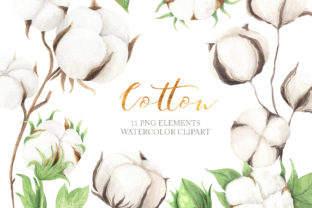
As a designer who regularly works on branding, marketing visuals, and packaging for small businesses, I often seek out design assets that can elevate a project without overpowering it. Watercolor Cotton Clipart is one such asset that offers a soft, approachable aesthetic ideal for handmade brands, seasonal campaigns, and printable products. The illustrations feel handcrafted, with subtle textures and gentle color gradients that evoke a sense of warmth and authenticity.
The Mood and Style of Watercolor Cotton Clipart
Watercolor Cotton Clipart immediately brings to mind a relaxed, organic vibe. The style is reminiscent of vintage paper cutouts or hand-painted elements, making it perfect for creative design projects that aim to feel personal and artisanal. It’s not overly detailed, but the soft edges and muted tones create a visual language that feels both modern and nostalgic.
This type of illustration is particularly well-suited for small business branding, especially for shops focused on handmade goods, natural products, or eco-friendly initiatives. It can be used in logo design, product labels, and packaging design to add a touch of whimsy without being distracting.
Real-World Applications of Watercolor Cotton Clipart
When working on a client project for a boutique skincare brand, I found that Watercolor Cotton Clipart helped reinforce the brand’s commitment to natural ingredients and gentle care. The clipart was used in social media graphics, blog visuals, and even as a decorative element in product mockups. Its soft lines and pastel hues complemented the brand’s color palette and created a cohesive look across all materials.
For a seasonal campaign targeting local events, the illustrations were incorporated into posters, flyers, and invitations. Their organic feel made them ideal for promoting workshops, art shows, and community gatherings. They also worked well in Canva templates, allowing clients to easily customize designs without losing the visual integrity of the original illustrations.
Where Watercolor Cotton Clipart Shines
Watercolor Cotton Clipart excels in large layout areas where it can serve as a hero graphic or background element. It’s also effective in themed collections, such as holiday or nature-based campaigns, where a consistent visual mood is essential. For print-on-demand sellers, the clipart works well in t-shirt design, mug prints, and tote bag graphics, adding a unique touch to digital products.
It’s also useful in sticker design and Cricut projects, where its clean lines make it easy to cut and apply. In editorial design, the illustrations can act as decorative accents that break up text and add visual interest without overwhelming the reader.
Where to Use Watercolor Cotton Clipart with Caution
While Watercolor Cotton Clipart is versatile, it’s not always the best choice for every project. In minimalist branding or professional corporate materials, its softness may not align with the desired tone. Similarly, in low-contrast designs or crowded layouts, the clipart can become lost or visually jarring.
For logo design, it’s important to ensure that the illustration doesn’t compete with typography. If used in a commercial design, it should be tested at various sizes to confirm that details remain visible and legible. This is especially true for small business branding, where clarity and professionalism are key.
Impact on Readability and Brand Consistency
One of the most important considerations when using any graphic design asset is how it affects readability and visual hierarchy. Watercolor Cotton Clipart can enhance emotional appeal and audience engagement when used thoughtfully, but it must not compromise the overall message of the design.
For a client’s website graphics or digital ads, the clipart can be used as a background element or decorative icon, but it should never distract from the primary content. In print-on-demand or Etsy product listings, it can help create a more polished and professional appearance, especially when paired with appropriate fonts and color schemes.
Practical Designer Notes
Before using Watercolor Cotton Clipart for a client project, I recommend testing it in black and white to see how it holds up without color. Check contrast on light and dark backgrounds to ensure visibility, and preview it at different sizes to confirm that details remain intact. It’s also wise to place it on real mockups to see how it interacts with other design elements.
If the asset includes PNG transparency, inspect it carefully to ensure there are no unwanted artifacts. For SVG design files, verify that they are editable and scalable. When using the clipart in a design bundle, compare it with different font styles—serif, sans serif, script, or display—to find the best match for the project’s tone.
Finally, always confirm the commercial license before using the asset for a client or business project. This ensures that the design asset can be legally used in print, digital, or commercial design applications without risk.
Conclusion: A Versatile Asset for Creative Projects
Watercolor Cotton Clipart is a valuable addition to any designer’s toolkit, especially for those working on handmade businesses, small business branding, or seasonal campaigns. Its soft, organic style adds character and warmth to a wide range of design assets, from packaging design to social media graphics.
While it may not be the best fit for every project, when used appropriately, it can elevate the visual mood and help create a more engaging and professional result. As with any design asset, careful consideration of context, scale, and purpose is essential to achieving the best outcome for the client.